

Erectile dysfunction (ED) means having difficulty getting or keeping an erection firm enough for satisfying sexual activity. An occasional difficult night does not necessarily mean you have a medical condition. When the problem keeps happening, though, it deserves attention, especially if it is affecting your confidence, your relationships or your sense of yourself.
I know how easily a problem with an erection can turn into a problem with identity. For many men, the fear is not simply that the penis might not respond. It is the thought that we are failing at something we are supposed to do naturally, effortlessly, every time.
This article is about both sides of the experience. We will look at physical and psychological causes, what you can observe without diagnosing yourself, practical options including erection rings and pelvic-floor training, medical treatments, and the ways communication and non-clinical coaching may help. The aim is not to prove that the problem is all in your head. It is to understand what is happening and decide what to do next.
In short: erectile dysfunction and what helps
- Causes can be physical, psychological or mixed. Anxiety matters, but so can circulation, health conditions and medication.
- Morning or solo erections offer clues, not a diagnosis. They cannot exclude physical causes.
- You need not wait three months to seek care. Recurrent difficulties or other symptoms deserve medical attention.
- Effective options exist: lifestyle changes, clinically appropriate medicines, mechanical devices and psychological treatment when indicated.
- Sex is not a performance exam. Communication and intimacy beyond penetration matter. Coaching can address non-clinical goals, not treat ED.
Table of Contents
What is erectile dysfunction, and when is it a problem?
An erection depends on blood vessels, nerves, hormones, physical stimulation and processes in the brain working together. Erectile dysfunction describes difficulty achieving or maintaining sufficient rigidity for sexual activity. It does not mean that you lack desire, that you are no longer attracted to your partner, or that every sexual experience must involve penetration.
A single episode after poor sleep, excessive alcohol or a stressful week is not unusual. A recurring problem is different. If it distresses you, limits the intimacy you want, or appears along with other symptoms, it is worth discussing with a doctor.
The word impotence is still widely used, but I prefer erectile dysfunction or simply erection difficulties. Neither is a judgment about masculinity. An erection is a physiological response, not a certificate of personal worth.
It also helps to distinguish an erection problem from low sexual desire. You may want sex but struggle to maintain an erection. You may have an erection without feeling particularly interested in sex. Those are different experiences and can require different questions.
For a clear medical definition and an overview of causes, see the National Institute of Diabetes and Digestive and Kidney Diseases.
Psychogenic, organic and mixed erectile dysfunction
We often describe erectile dysfunction as either psychogenic or organic. The first term refers to difficulties in which anxiety, emotional experience or relationship dynamics have a leading role. The second refers to factors such as circulation, nerves, hormones, medication or other physical conditions.
The distinction is useful, but it should not become a contest between mind and body. Many cases involve both. A man may develop erectile difficulties because of a vascular issue, then become afraid of another unsuccessful encounter. Another may first experience situational anxiety, while a medication or a health condition also contributes. The experiences reinforce one another.
When psychological factors may be involved
You might notice the problem mainly with a new partner, under pressure, after a difficult sexual experience, or when you feel watched and judged. You may be able to get an erection in some contexts but find yourself losing it when you begin checking whether it is firm enough.
Stress, low confidence, fears about masculinity, relationship conflict and performance anxiety can all interfere with sexual response. The difficulty is real. Calling it psychological does not make it imaginary or something you can simply switch off by thinking positively.
When physical factors deserve particular attention
High blood pressure, diabetes, cardiovascular disease, changes in hormone levels, neurological conditions and certain medications can contribute to erectile difficulties. Smoking, excessive alcohol, recreational substances, sleep problems and physical inactivity can also matter.
Gradually worsening erections, changes across several contexts, a new medical diagnosis, medication changes or additional symptoms are reasons to discuss the problem with a clinician. But the reverse is not a guarantee: an erection problem that appears suddenly or only with a partner can still have physical contributors.
The European Association of Urology guidelines emphasize medical, sexual and psychological assessment rather than assuming a single cause.
Important: Recurring erectile dysfunction can sometimes be an early sign of cardiovascular or metabolic disease. Recognizing that possibility is one of the reasons not to attempt a psychological self-diagnosis before seeking appropriate care.



Three observations that can help you describe the problem
I want to preserve three questions from the original article because they are genuinely useful. They can help you explain your experience to a professional. They cannot determine a diagnosis on their own.
1. Do you still notice morning or nighttime erections?
Spontaneous erections during sleep or on waking can provide information about erectile function. If they are still present, a situational or psychological contribution becomes worth exploring. Their presence, however, does not exclude an organic problem, and their absence is not automatically evidence of vascular or neurological disease. Sleep, age, medications and many other factors influence what you notice.
An objective assessment of nighttime erections is a medical test used only when it adds useful information. Counting your morning erections at home is not its equivalent.
2. Are erections different alone and with a partner?
Ask yourself whether erections are easier during masturbation, fantasy or relaxed private moments than during partnered sex. Notice also whether the difficulty begins as soon as you start thinking about how well you are performing.
This can point toward a role for anxiety, context or relationship expectations. It is not proof that your body is completely healthy. Conversely, difficulties in every setting warrant medical attention but do not prove that the cause is exclusively physical.
3. How and when did the change begin?
Did the problem appear after an exhausting period, an upsetting experience, a new relationship or a change in medication? Was the change sudden, or has it been gradual? Does it happen all the time, or only in specific circumstances?
These details can help a clinician understand the pattern. Try not to turn observation into another performance test. If every sexual encounter becomes a scientific experiment on your penis, you may simply add another layer of pressure.



When performance anxiety becomes part of the problem
I am not writing about this only from a theoretical perspective. When I first wrote this article, I was 36, and I had already lived through two periods of erectile difficulty myself. I remember the frustration, the wish to make everything work again and how quickly a single episode can become something you anticipate before intimacy even begins.
The loop is familiar: you lose an erection, then wonder why. The next time, you watch yourself more closely. You start asking whether you are hard enough, whether your partner has noticed, whether the same thing is about to happen again. Attention moves away from pleasure and toward control. The fear of failing becomes part of the encounter.
I have explored this mechanism more fully in my article about sexual performance anxiety. The important point here is that anxiety may be a contributing factor even when someone does not feel obviously anxious. It can also develop after an initial medical problem.
Stop treating intimacy as an exam
An erection is not a score, and sex is not an evaluation of your worth as a man. You do not need to prove something each time you touch another person.
One of the hardest shifts is to stop making your penis the center of the entire experience. Your partner’s pleasure is not produced by your erection alone, and neither is yours. This is not a consolation prize for a difficult night. It is a more accurate and potentially more interesting view of sexuality.
Keep intimacy wider than penetration
Touching, kissing, giving and receiving pleasure, talking about fantasies, exploring consensual kink or simply being close without a fixed goal can all belong to a satisfying sexual experience.
If you and your partner want to explore intimacy without aiming immediately for penetration, it may help reduce the sense of a deadline. Do not force yourself into exposure to prove you are making progress. The encounter still needs to be freely chosen, comfortable and open to stopping.
I often ask clients a simple question: when did you last explore what actually excites you, rather than what you think you are supposed to deliver?
Mindfulness, relaxation and visualization
These practices are not treatments for every cause of ED, but they may be useful for managing stress and noticing when attention has shifted from sensations to evaluation.
- Mindfulness and breathing: spend a moment noticing your body and your surroundings instead of testing whether an erection has arrived. Breathing exercises can support relaxation; they are not a guaranteed way to produce an erection.
- Autogenic training and muscle relaxation: some people find structured relaxation helpful when tension and anticipatory worry dominate their day or an intimate situation.
- Realistic visualization: mental imagery can be used to rehearse a calmer attitude toward intimacy, including the possibility that things may not go as planned. The goal is flexibility, not a fantasy in which you must succeed every time.
When anxiety is persistent, linked to trauma, or causes significant distress, a qualified mental health professional or sex therapist is the appropriate person to assess and treat it. Coaching is not psychotherapy.
Practical options to support erections
There are physical and behavioral options worth discussing, and they do not all serve the same purpose. Some address overall health, some provide temporary mechanical support, and some are clinical treatments. None should be sold as a universal cure.
Penis rings and cockrings: what they do and how to use them more safely
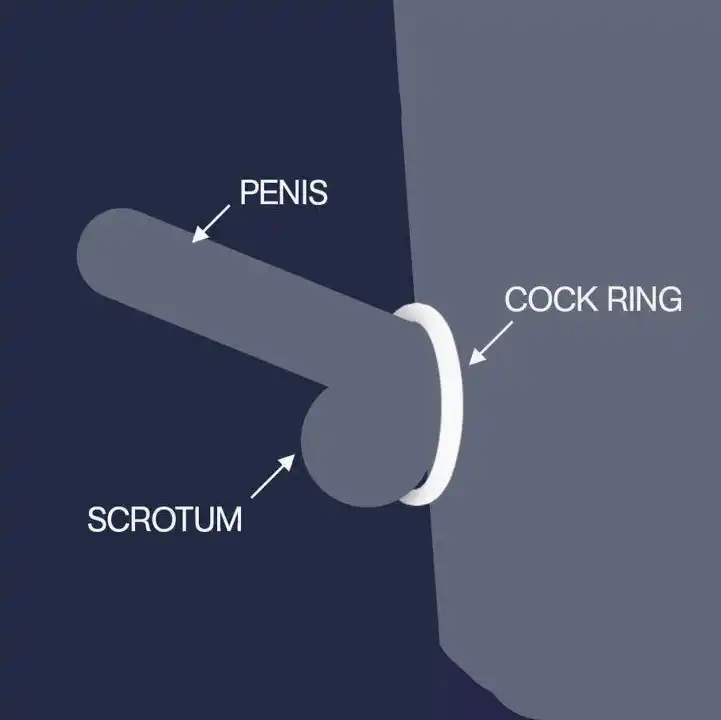
A penis ring, commonly called a cockring, is a constriction ring placed around the base of the penis to help retain blood and maintain an erection. Some people use these rings as part of a vacuum erection device; others use them independently during consensual sexual activity.
I mention them because, in my experience, many men know far less about this option than they know about tablets. A ring can offer mechanical support, but it does not diagnose or resolve the underlying cause of erectile dysfunction. Nor is a firmer erection automatically a better sexual experience for everyone.
Soft, appropriately sized, easily removable models are generally preferable to improvised or rigid constricting objects. A device should never cause pain, loss of sensation, marked discoloration or swelling. Remove it immediately if any of these occur. Never sleep with a constriction ring in place. For the constriction bands used with medical vacuum devices, the EAU patient guidance specifies no longer than 30 minutes. Follow device instructions and use that limit as a maximum, not a target.
If you have a bleeding disorder, take blood thinners, have impaired penile sensation, or have a relevant medical condition, ask a healthcare professional before using a constriction device. If a ring becomes stuck or symptoms persist after removal, seek urgent medical help.
Pelvic-floor training
The pelvic-floor muscles contribute to urinary continence and erectile function. In some men, guided training may improve symptoms, particularly when muscle weakness or poor coordination is part of the problem.
This is not a reason for every man to start squeezing his pelvic floor as hard or as frequently as possible. Muscles can also be excessively tense. A clinician or pelvic-health physiotherapist can assess whether strengthening, relaxation or another approach is appropriate, and teach correct technique.
Evidence is promising in selected groups, but it does not justify promising that half of men with ED will improve simply by doing Kegels at home. Routine stopping of urine midstream is not an exercise program.
Lifestyle and general health
Because erections rely heavily on vascular function, the habits that protect cardiovascular health are relevant here too. Regular physical activity, sufficient sleep, smoking cessation, a balanced diet, moderating alcohol use and addressing diabetes or blood pressure with a clinician can all be part of the plan.
These measures may improve erectile function for some people, but their value is broader than sexual performance. They support overall health. When changing habits is your personal goal, health and wellness coaching can support planning and consistency, without replacing medical care.
Talk with your partner without turning this into a verdict
As men, we often joke about sex far more easily than we talk about the moments that scare us. An erection problem can feel deeply private. Silence may seem protective, but it can leave a partner filling in the gaps with their own fears: “You don’t want me anymore”, “Is it my fault?”, “Is there someone else?”
Try raising the subject away from an unsuccessful sexual encounter, when neither of you feels put on the spot. You might say: “I’ve been worrying about my erections lately, and sometimes that makes me tense when we’re together. It isn’t a verdict on my attraction to you. I want us to talk about what feels good without making this another test.”
Then listen. Your partner may have worries of their own. You might discover that you are both measuring the same encounter against different expectations. If your main difficulty is communication, desire mismatch or boundaries, relationship coaching can support those non-clinical goals. Couples therapy, where indicated, is provided by appropriately qualified clinicians.
You may also be single, or you may prefer first to work through your thoughts privately. That is legitimate. Talking to a trusted person can reduce isolation, and a professional relationship offers a different kind of privacy and focus. Choose that professional according to whether you need medical assessment, mental health treatment or non-clinical coaching.
When to see a doctor for erectile dysfunction
If erectile difficulties keep happening, are distressing, began after a new medication, or appear with symptoms such as low desire, pain, penile curvature or other changes, speak with a doctor. You do not have to wait three months before requesting an assessment. Early evaluation is particularly relevant if you have diabetes, high blood pressure, cardiovascular risk factors or other health conditions.
You can begin with your primary care physician or consult a urologist or andrologist. An assessment typically starts with medical and sexual history, medication review and a focused physical examination. Depending on the situation, a clinician may check blood pressure and order relevant laboratory tests, such as glucose, lipid profile or morning testosterone. Specialized tests, including penile Doppler ultrasound or nocturnal erection monitoring, are not routine for everyone.
The aim is not to prove whether your problem is “really” mental or “really” physical. It is to identify contributing factors and decide which combination of interventions makes sense for you. The EAU clinical recommendations outline this approach.
Medical treatments: medication, devices and specialist options
There are effective, evidence-based treatments for erectile dysfunction. Which one is appropriate depends on your health, preferences, medications and the contributing causes.
PDE5 inhibitors
Medicines such as sildenafil, tadalafil, vardenafil and avanafil improve the erectile response to sexual stimulation by affecting blood flow. They do not manufacture desire, and they are not appropriate for everyone. These drugs can also help some men whose difficulties have a significant psychological component. Describing their benefit in such cases as merely a placebo effect is incorrect.
A clinician should assess suitability, possible interactions and correct use. PDE5 inhibitors must not be combined with nitrate medication or recreational nitrites such as poppers, because the combination can cause a dangerous fall in blood pressure. Tell the prescriber about all medications and substances you use. Avoid unverified online products marketed as miracle cures.
Vacuum devices and local treatments
A vacuum erection device can draw blood into the penis and may use a constriction band to maintain the erection. It requires appropriate guidance, particularly if you take anticoagulants or have a bleeding disorder. Alprostadil, prescribed in local forms or by injection under specialist supervision, is another medical option when suitable.
Surgery and other specialist care
For some men who do not benefit from or cannot use other treatments, an implanted penile prosthesis may be an option following specialist counseling. It is not a first step for most people, and surgery requires a discussion of benefits, limitations and risks.
These treatments can coexist with appropriate psychological support. Taking medication does not mean your experience is purely physical; seeking therapy does not mean that medicine has failed. The goal is an individualized approach, not a contest between the two.
Where Sex Coaching fits, and where it does not
If medical assessment has identified what needs to be addressed, or if your goal is not clinical treatment, Sex Coaching can provide space to work on personal confidence, expectations, shame, communication and the way you experience intimacy.
In my coaching work I may help a client examine what happens when sex becomes a test, describe their needs more clearly, set realistic goals for wellbeing, or explore consensual forms of intimacy that feel more authentic. These are coaching goals. They are not a diagnosis, a prescription or a treatment for erectile dysfunction.
A coach should not claim to offer clinical sex therapy, treat trauma or replace a urologist or mental health professional. Where relevant, care from those professionals comes first or continues alongside non-clinical personal development.
You can read more about the scope of my Sex Coaching and Intimacy Coaching practice.
Quick definitions
- Erectile dysfunction (ED): difficulty getting or keeping an erection firm enough for satisfying sexual activity, particularly when recurrent.
- Psychological or psychogenic contribution: anxiety, emotional experience, stress or relationship factors that may contribute to erectile difficulties; not necessarily the only cause.
- Organic contribution: vascular, neurological, hormonal, structural, medication-related or other physical factors that can affect erectile function.
- Mixed erectile dysfunction: a combination of physical and psychological factors, which is common in clinical practice.
- Performance anxiety: worry about sexual performance that can redirect attention toward monitoring and away from sensation.
- PDE5 inhibitors: prescription medicines that can support erectile function in response to sexual stimulation when medically appropriate.
- Penis ring / cockring: a constriction device that may help maintain an erection by limiting blood outflow; proper use and safety are essential.
- Sex Coaching: non-clinical work on confidence, communication, attitudes, self-understanding and personal goals relating to sexuality.
Frequently asked questions about erectile dysfunction
How common is erectile dysfunction?
ED becomes more common with age, but younger men can experience it too. One occasional problem with an erection is not necessarily a disorder. If the difficulty is recurring or bothers you, a healthcare professional can help assess the causes.
Are morning erections proof that my ED is psychological?
No. Morning or nighttime erections are useful information, and their presence can suggest a psychological or situational contribution. They cannot rule out physical causes, including mixed erectile dysfunction.
Why can I get an erection alone but not with a partner?
Performance anxiety, context, relationship expectations and differences in stimulation may contribute. This pattern is worth discussing, but it is not sufficient to diagnose the cause without an appropriate clinical assessment.
Why can I get hard but not stay hard?
Difficulty maintaining an erection can involve blood flow, medication, health conditions, anxiety, distraction or a combination of factors. If it happens repeatedly, seek medical advice rather than assuming it is simply a mental block.
What can I do right now about erection problems?
Avoid testing yourself or forcing intercourse. Notice when the problem occurs, consider sleep, stress, alcohol and medication changes, and talk openly with a partner if appropriate. Recurrent problems deserve medical evaluation. There is no reliable instant mental trick that guarantees an erection.
Can lifestyle changes and pelvic-floor training help?
Physical activity, smoking cessation, balanced nutrition and appropriate management of medical conditions can improve sexual and cardiovascular health. Pelvic-floor training may help selected patients, especially when guided by a qualified professional. Neither is a guaranteed cure.
Is a cockring safe for erectile difficulties?
A properly fitted, easily removable ring may provide temporary mechanical support, but it carries risks if too tight or worn too long. Never sleep with one, remove it immediately if painful or numb, and do not exceed the 30-minute limit advised for constriction bands used with vacuum devices. Ask a clinician if you have vascular or bleeding concerns or take blood thinners.
Can medication work if performance anxiety is involved?
Yes. Prescribed PDE5 inhibitors may benefit men whose ED includes psychological factors as well as men with primarily physical causes. A healthcare professional must review safety and interactions, particularly nitrates and recreational nitrites such as poppers.
How should I talk to my partner about erectile dysfunction?
Choose a calm moment outside the bedroom. Describe what you experience without blame, explain that an erection problem does not automatically mean a loss of attraction, and invite your partner to share their perspective. You can explore intimacy without making penetration the only goal.
When should I see a doctor, and can ED improve?
See a doctor if difficulties recur, cause distress, or occur alongside other health concerns. You need not wait three months. Many people improve with suitable care, but outcomes depend on the cause. Medical treatment, psychological therapy and non-clinical coaching each have different roles.


Comments and Questions
0 Comments