
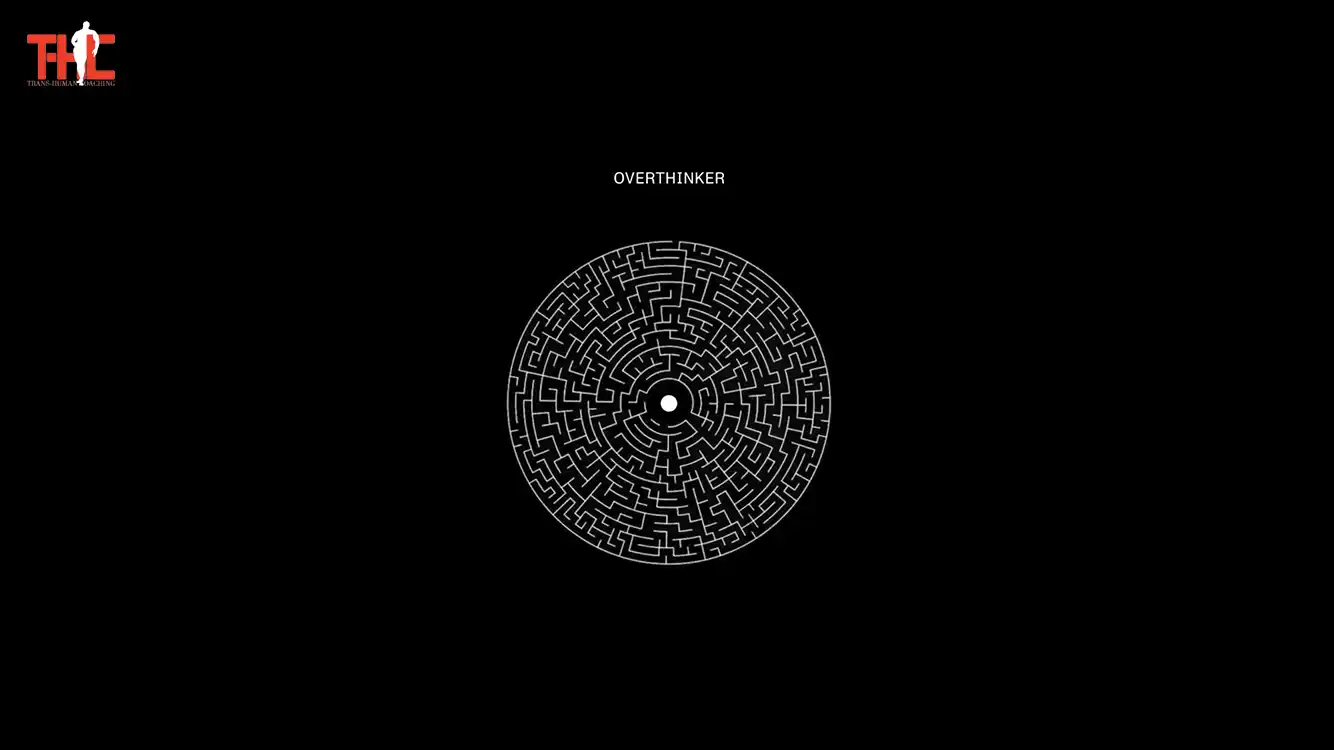

Sexual performance anxiety is one of the most widespread and least understood difficulties in male sexuality.
It is not just about “fear of not performing,” but a real psychological and neurophysiological mechanism that interferes with arousal, desire, and pleasure. This is also why it can be difficult for the individual experiencing it to recognize.
Many physically healthy men experience sexual difficulties precisely because the mind enters a mode of control, judgment, or alertness, making spontaneous sexual response impossible.
In this article we’ll explore what sexual performance anxiety really is, why it’s so common, and how a Sex Coaching approach can help overcome it.
In short — sexual performance anxiety
- Performance anxiety is not just “fear of failing”: it is a psychological and neurophysiological mechanism that shifts attention from pleasure to outcome (having to prove or control).
- When alertness is activated, the sympathetic nervous system comes into play: in this state, arousal and surrender become difficult because alertness and spontaneous sexual response are incompatible.
- It manifests in different and often situational ways: erectile difficulties, premature ejaculation, reduced desire, orgasm difficulties, avoidance of intimacy—especially with new partners, after negative episodes, or during stressful periods.
- To reduce anxiety, many people adopt “patch solutions” (preferring masturbation to intercourse, virtual sex, substance use/chemsex), which may lower pressure in the short term but reinforce avoidance in the long run.
- Anxiety feeds itself through a vicious cycle: episode → increased control → new difficulty → fear → avoidance / anticipatory tension. Over time, sexuality becomes associated with stress rather than pleasure.
- Sex Coaching works on four practical levers: belief restructuring (virility/performance), attentional shift (outcome → sensation), mental and bodily awareness (triggers/tension), and communication (reducing what remains unspoken). The goal is not “to function again,” but to live a more authentic and satisfying sexuality.
Table of Contents
What sexual performance anxiety is
Sexual performance anxiety essentially arises when a man’s attention shifts, more or less consciously, from the erotic experience to the outcome. The focus is no longer on feeling, but on having to prove or verify something.
This mental state activates a stress response that involves the sympathetic nervous system, the same system activated in situations of danger or pressure.
From a physiological standpoint, aside from individual variations, sexual arousal and a state of alertness are incompatible.
How performance anxiety manifests
Performance anxiety doesn’t have a single form. It can present differently depending on the person and the context.
The most common manifestations include:
- Erectile dysfunction
- premature ejaculation
- sudden drop in desire
- difficulty reaching orgasm
- avoidance of intimacy
Often the problem appears only in specific situations: with a new partner, after a negative episode, during periods of stress, or when strong expectations are perceived.
This state of mind generally pushes the person to seek temporary coping strategies, such as:
- avoiding in-person intimacy and turning to virtual sex
- preferring masturbation over partnered sex
- associating substance use with sexuality (chemsex)
Why it affects even young, healthy men
One of the most destabilizing aspects of performance anxiety is that it can affect young, athletic men with no medical issues, and in fact, in my Sex Coaching practice, I increasingly see young men and women bringing this issue to sessions.
This happens because:
- sexuality is strongly tied to identity
- culture links personal value to performance
- sexual “failure” is experienced as a threat to self-esteem
The result is that, for different reasons in men and women, the body reacts to the fear of “not being enough” by blocking exactly what one is trying to control.
The vicious cycle of performance anxiety
The reason many men struggle to overcome performance anxiety on their own is that it tends to be self-reinforcing. This is what makes working with a Sex Coach particularly effective.
The typical mechanism is:
- first episode of difficulty
- increased attention and control
- new difficulty
- reinforcement of fear
- avoidance or anticipatory tension
Over time, sexuality becomes associated not with pleasure, but with stress. According to principles of neuroplasticity, this makes working through it alone successfully a real challenge.
Working together, instead, allows for a different mental perspective and triggers a virtuous cycle that gradually reduces—and eventually neutralizes, sexual performance anxiety.
Control, the mind, and loss of pleasure
One of the central elements of performance anxiety is cognitive control.
Many men, during sex and often even before, observe themselves from the outside:
- “Am I lasting long enough?”
- “Am I losing my erection?”
- “Am I big enough?”
- “What if I do the wrong thing?”
- “What will they think of me?”
This constant monitoring prevents the surrender necessary for pleasure, and therefore for the specific state of arousal that underpins a healthy sexual experience.
The result is a subtle disconnection from the body and sensations, leading the person to believe they embody the very problems they fear most, ultimately manifesting the symptom as a consequence.
The role of expectations and cultural models
Performance anxiety doesn’t arise in a vacuum.
It is often fueled by:
- unrealistic pornographic models (especially for younger generations)
- myths of virility (especially Millennials and older men)
- sexual education based on silence
- rigid ideas about what a man “should” do
When sexuality is lived as proof of personal value, every difficulty becomes an identity threat.
👆 Why “forcing it” doesn’t work
Many men try to solve performance anxiety through:
- greater effort
- more intense control
- emotional avoidance
These strategies, even if they seem intuitive, worsen the problem because they reinforce the idea that sexuality is a performance to sustain. The body, instead, responds when it feels safe.



How Sex Coaching works on performance anxiety
Sex Coaching does not aim to “eliminate” anxiety, because anxiety is a symptom, not the root. Working with a Sex Coach helps the individual change their relationship with sexuality, pleasure, and self-perception.
The work unfolds across multiple levels:
1. Belief restructuring
Through direct dialogue, dysfunctional beliefs related to:
- performance
- virility
- sexual success
- …
2. Attentional shift
We work with specific techniques to shift attention from outcome to sensation.
From control to bodily listening.
3. Mental and bodily awareness
Very often during coaching, people discover perspectives and triggers they weren’t aware of. They learn to recognize signals of tension and relaxation, reducing hyperactivation.
4. Sexual communication
It quickly becomes clear that communicating one’s sexual “problems” is key to reducing their psychological and physical weight. When a partner is present, working on expressing lived experiences and reducing what remains unspoken is deeply helpful.
❤️ Performance anxiety and couple relationships
Performance anxiety doesn’t only affect the individual…it also affects the relationship.
It can generate:
- emotional distance
- misunderstandings
- silence
- misinterpretations
Sex Coaching and Relationship Coaching help transform the issue from “mine” to “ours,” reducing isolation and rebuilding mutual support and connection.
When anxiety turns into avoidance
In some cases, men begin to avoid sex to avoid the possibility of failure. Often, feelings of disappointment or failure, emotional or physical, lead to reduced libido or a drop in sexual desire.
This avoidance:
- reduces anxiety in the short term…
- …but reinforces it in the long term
Sex Coaching works to interrupt this pattern gradually and safely.
⚠️ Overcoming anxiety doesn’t mean “going back to functioning”
One of the most common mistakes is thinking that overcoming performance anxiety means going back to “functioning as before.”
In reality, it often means:
- changing your relationship with sexuality
- reducing pressure
- living pleasure in a more authentic way
Many men report that after working through anxiety, their sexuality becomes more satisfying than before.
When to seek professional help
It’s advisable to consider a Sex Coaching pathway if:
- anxiety persists over time
- it affects desire or pleasure
- it generates avoidance or frustration
- it impacts self-esteem
Asking for support is not surrender; it’s an act of maturity.
Glossary
- Sexual performance anxiety
- A state of pressure and evaluation (internal or perceived) in which erotic experience becomes a test of effectiveness; focus shifts from feeling to “having to succeed,” leading to blocks or instability.
- Sympathetic nervous system
- Part of the autonomic nervous system that activates the stress (“alert”) response. When dominant during sex, it makes arousal, surrender, and pleasure more difficult.
- Cognitive control
- The tendency to constantly monitor and judge performance (duration, erection, adequacy). It increases tension and reduces connection with bodily sensations.
- Anticipatory tension
- Expectation of failure activated before sex (“what if it happens again?”), priming the body for alertness and promoting avoidance.
- Sexual avoidance
- An anxiety-reduction strategy that leads to avoiding intimacy (or replacing it with alternatives like virtual sex or masturbation). It works short-term but reinforces the problem long-term.
- Belief restructuring
- An intervention (typical of CBT and coaching approaches) that identifies and modifies dysfunctional ideas about virility, performance, and sexual success, reducing the mental pressure feeding the symptom.
FAQs on Sexual Performance Anxiety
Is sexual performance anxiety a disease?
No. It’s not a pathology, but a learned psychological response linked to stress, expectations, and emotional experiences. It can affect men of any age, even in perfect physical health.
Can performance anxiety cause erectile problems?
Yes. When the mind enters an alert state, the body struggles to activate arousal mechanisms. In these cases, erectile difficulty is a consequence, not the root cause.
Why does performance anxiety appear only with certain partners?
Because it’s strongly tied to emotional and relational context. New partners, high expectations, fear of judgment, or intense emotional involvement can amplify internal pressure.
Can performance anxiety cause premature ejaculation?
Yes. Emotional hyperactivation and fear of losing erection can lead to rapid ejaculation as an unconscious attempt to “end” a stressful situation.
How do you overcome sexual performance anxiety?
Not by trying to control it, but by changing your relationship with control, the body, and expectations. Approaches like Sex Coaching work on awareness, communication, and reducing performance pressure.
Does talking with a partner really help?
Yes. Communication reduces the burden of the unspoken, normalizes difficulty, and transforms an individual problem into a shared experience, significantly lowering anxiety.
Can performance anxiety lead to avoiding sex?
Yes. In some cases men avoid intimacy to avoid the possibility of failure. This reduces anxiety short-term but strengthens it long-term.
Is Sex Coaching suitable even if anxiety has been present for years?
Yes. Performance anxiety is a learned behavior and, as such, can be modified even after a long time through gradual and structured work.

Comments and Questions
0 Comments