
The habits you struggle to change are not simply a matter of willpower. They are the product of neural circuits that link cues, actions, and rewards in the brain. Once established, these loops run automatically, making both helpful and harmful routines feel natural, even when they work against your goals. This is enforced by how dopamine works, and by a number of other brain’s structures and functionalities.
Understanding how habits are wired is the first step to changing them. It shifts the perspective from “I’m weak” to “my brain has practiced this pattern.”
And if the brain has learned it, it can also unlearn and replace it through mental training and the deliberate practice of taking back control over your life.
In short — Neural Circuits behind Habits
- The essence of habits: They are neural circuits linking cue → action → reward. Once reinforced, they run automatically.
- Why change feels hard: Basal ganglia shortcuts, dopamine rewards, and emotional “safety” keep old patterns alive.
- How transformation works: Awareness, breaking the automatic loop, and replacing it with new rewarding routines.
- The role of coaching: Mental coaching trains the brain to build new, more adaptive pathways through neuroplasticity.
- The core message: Your habits aren’t destiny. They are circuits — and circuits can be rewired.
Table of Contents
How Habits Form in the Brain
As explained in the article about what dopamine is and how it works, habits emerge from brain loops that connect cues (the trigger), actions (the behavior), and rewards (the payoff your brain records). Each time the loop repeats, the neural pathway strengthens, until the behavior feels automatic. This process is a direct expression of neuroplasticity.
Neuroscience has identified two main systems at work:
- Basal ganglia — the brain structures that encode routines, allowing actions to run with little conscious effort.
- Dopamine reward system — the neurotransmitter dopamine signals the brain that a loop was rewarding, motivating you to repeat it.
Imagine this scenario: you feel stressed (cue), you check your phone for notifications (action), you get a small hit of novelty or social connection (reward).
The brain notes the pattern and is more likely to repeat it next time stress arises. Over weeks or months, this becomes the default response, not because it is the best strategy, but because the brain has practiced it the most.
This explains why some habits feel so natural: they are circuits trained by repetition, not conscious choice. The good news is that by building awareness and practicing alternatives, those same circuits can be rewired through behavioral neuroscience–based coaching.
Rational vs. Emotional Systems in Decision-Making
Every decision you make is influenced by a balance between rational control and biochemical impulse. The prefrontal cortex, the part of the brain responsible for planning and self-regulation, works to keep long-term goals in focus. Meanwhile, emotional systems (to name one, amygdala) and the reward circuits push for immediate comfort or relief.
Try to mindful of this, because this natural preference for immediate comfort or relief is the “weakness” most apps are designed over, to maximize the addiction (and normalization) for this digitalized simulation of life that traps most of us.
When these systems are in balance, daily choices align with your values and long-term objectives. But when emotional circuits dominate, habits often take over, even against your better judgment.
Examples you may recognize:
- You decide to eat healthy, but late at night stress makes you reach for snacks you didn’t plan to eat.
- You plan to focus on a project, but the pull of checking messages or scrolling feels irresistible.
- You want to respond calmly in a conversation, but find yourself reacting defensively before thinking.
These moments are not about weak willpower. They reflect how neural systems weigh short-term relief against long-term direction. With Mental Coaching, you can strengthen prefrontal control and reshape how cues and emotions influence choices.
Why Breaking Habits Feels Hard
If you’ve ever tried to stop a habit (biting your nails, checking your phone, procrastinating, smoking..) you know how stubborn it can feel. It’s important for you to consider that this is not a flaw in character. It is how the brain protects efficiency: once a circuit is well-practiced, the brain saves energy by running it on autopilot. This is the blessing and the “curse” with neuroplasticity.
There are three main reasons habits resist change:
- Automatic shortcuts — basal ganglia circuits run routines with little conscious effort, freeing up mental space for other tasks.
- Dopamine rewards — even small rewards (relief, comfort, distraction) signal the brain to repeat the loop, making it stronger over time.
- Emotional safety — habits often mask stress or discomfort. Breaking them can feel like losing a coping mechanism, even if it’s harmful long-term.
This explains why knowing what you “should” do is rarely enough. Old circuits fire faster than conscious thought.
To change a habit, you need consistent practice of a new circuit, until it becomes more efficient than the old one. This is exactly where Mental Coaching helps and why more and more people are adopting it: guiding you through the uncomfortable phase where the brain resists change, until the new pattern feels natural.


Coaching and Habit Rewiring
Mental coaching is not about forcing willpower. It is about teaching the brain to build new circuits that make desired behaviors easier than the old ones. Because habits live in automatic pathways, change requires more than intention; it requires structured practice, repetition, and awareness.
My Coaching method works on three levels:
- Awareness — identifying the cues and emotional triggers that activate the unwanted loop.
- Interruption — creating conscious strategies to pause the automatic response before it runs its course.
- Replacement — installing new routines linked to rewarding outcomes, so the brain learns to prefer them.
For example, instead of trying to simply “stop procrastinating” coaching helps you design small, rewarding actions that link work to positive emotions.
Over time, repetition wires this into a new default circuit, and to stick with repetition you need accountability, and that accountability often works best when you’re embracing it with a partner (your Coach). The same process applies to confidence, resilience, and even self-image: through mental training, the brain’s plasticity becomes a tool for change rather than a trap.
Everyday Examples of Habit Circuits
Habit circuits are everywhere in daily life. Some are useful, others keep you stuck. Here are a few you may recognize:
- Procrastination — the cue is discomfort with a task, the action is avoidance (checking social media, tidying up), the reward is temporary relief. Over time, the brain learns to repeat avoidance whenever pressure rises.
- Doomscrolling — the cue is boredom or stress (even minimal, trough time), the action is opening apps, the reward is novelty or distraction. The loop becomes so strong that reaching for the phone feels automatic.
- Negative self-talk — the cue is seeing yourself in the mirror or making a mistake, the action is harsh inner dialogue, the reward is a false sense of control. This loop wires self-criticism as the default response.
These patterns are not permanent traits. They are neural circuits reinforced by repetition. With practice and a science based coaching method, they can be replaced with healthier, more empowering loops.
Glossary
- Habit
- A neural circuit linking cue, action, and reward. With repetition, it becomes automatic.
- Habit Loop
- The cue → behavior → reward cycle that reinforces a circuit in the brain.
- Basal Ganglia
- Brain structures responsible for automating routines and conserving cognitive energy.
- Dopamine
- The neurotransmitter that marks a behavior as rewarding or useful, encouraging repetition.
- Neuroplasticity
- The brain’s ability to reshape circuits through experience, repetition, and mental training.
- Pattern Interruption
- A coaching technique that stops the automatic response before it takes over.
- Substitution
- Replacing an old habit loop with a healthier action that generates a new positive reward.
- Mental Coaching
- A structured method to rewire habits and emotional patterns by leveraging neuroplasticity instead of force of will.
Conclusion: Habits Are Circuits, Not Destiny
Every habit is a product of the brain’s wiring. If a routine feels hard to break, it is not because you are weak — it is because the circuit is efficient. The empowering truth is that circuits can be rewired. What feels automatic today can be reshaped into a pattern that serves your goals and values.
Mental coaching is the practice of guiding this rewiring process. It helps you interrupt old loops, strengthen new ones, and turn change into a natural outcome of how your brain works. You don’t need more willpower; you just need the right strategy to work with your neural circuits instead of against them.
Your habits are not your destiny. They are just circuits, and circuits can change, by design.
FAQs
How many days does it take to change a habit?
Popular culture says “21 days,” but research shows it varies. Depending on the behavior and the person, forming a new habit can take from 30 to over 60 days of consistent practice.
Can I erase a bad habit completely?
You cannot “delete” a circuit, but you can weaken it by no longer using it. The brain naturally prunes unused pathways, while reinforcing new ones you practice more often.
Is it easier to replace a habit than to stop it?
Yes. Because the brain expects a loop of cue → action → reward, giving it a new action with a positive payoff works better than leaving a void.
Why do I go back to old habits under stress?
Stress reactivates older, deeply wired circuits because they feel “safe.” With coaching, you can train the brain to default to healthier patterns even in high-pressure situations.
Are all habits bad?
Not at all. Many habits — brushing your teeth, exercising, practicing focus — are essential. The key is recognizing which ones serve you and which ones silently sabotage you.

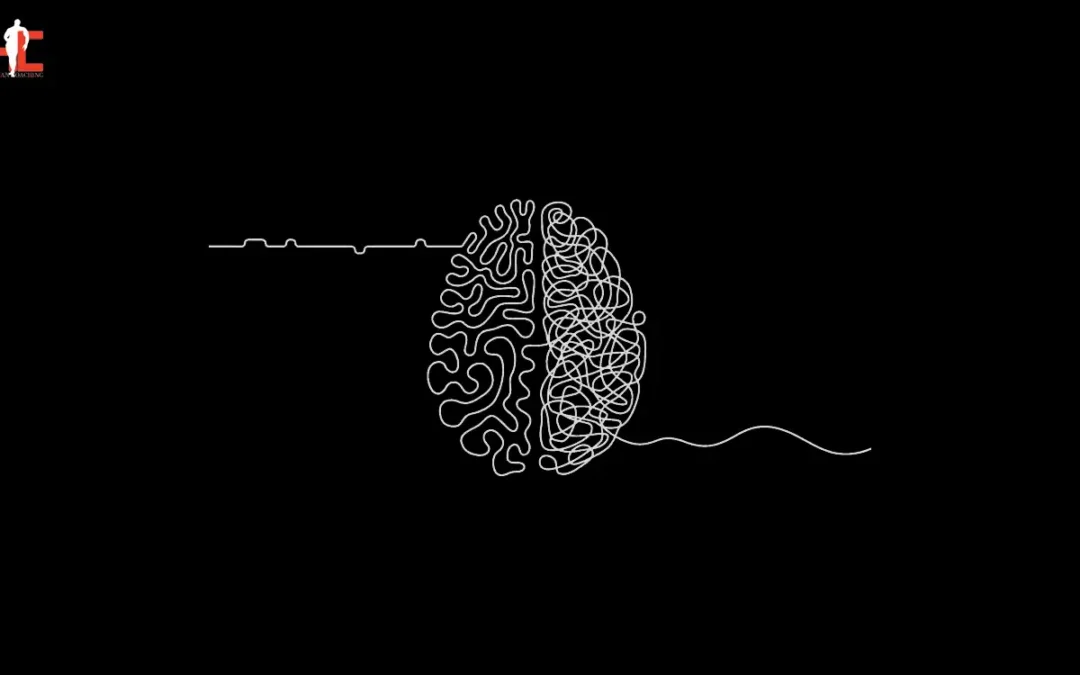
Comments and Questions
0 Comments