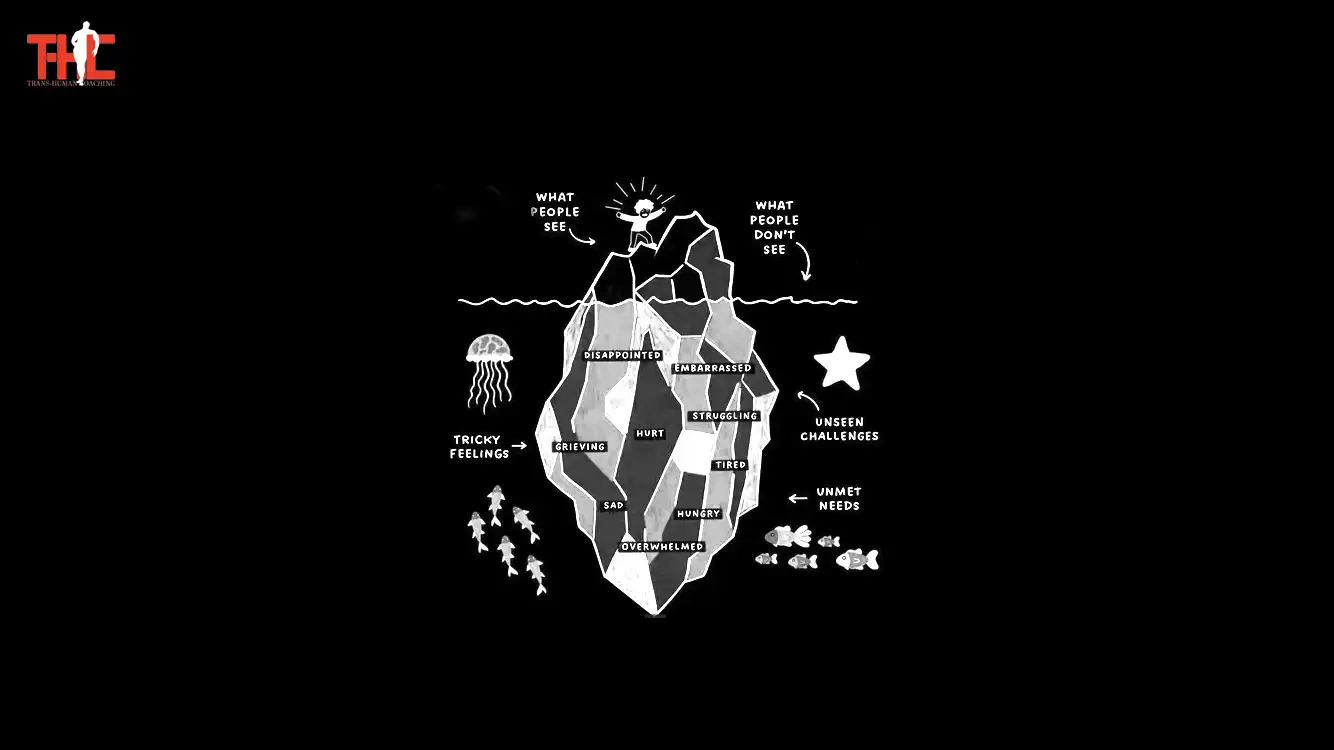

That rush of anxiety before speaking up, the way your body freezes in front of a challenge, or the urge to escape a difficult situation; most of us think of these emotions as signs of weakness, but they are not. They are the automatic reactions of your survival brain, led by the amygdala and several other neural circuits related to stress. Designed to protect you, they often end up limiting focus, performance, and growth in everyday life.
In short — Survival Brain Explained
- What’s really happening: Fight, Flight, Freeze and Fawn are not weaknesses but automatic survival responses led by the amygdala and stress circuits.
- When it becomes a problem: If survival circuits stay overactive, they create chronic anxiety, performance blocks and “playing small” in everyday life.
- Key insight: These reactions fire in milliseconds, before conscious thought — they are not chosen in the moment, but they are trainable patterns.
- The solution: With breathing, body regulation, mindfulness, reframing and gradual exposure, you can calm survival wiring and expand your range of responses.
- The role of Mental Coaching: Science-based Mental Coaching uses neuroplasticity to turn automatic fear into deliberate choice, moving you from survival mode to a growth mindset.
Table of Contents
The Survival Brain: How It Works
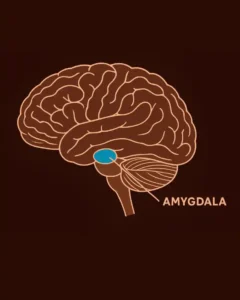
The amygdala is the brain’s alarm system. When it senses threat, it activates stress circuits that prepare the body for quick action. In real danger this system saves lives. But in your daily life, the same machinery often reacts to situations that are not life-threatening at all, think about a work presentation, a disagreement, or stepping into the unknown (life changes, habit changes..).
When triggered, the survival brain pushes you into one of four instinctive modes:
- Fight — snapping back, becoming defensive, or overcontrolling.
- Flight — avoiding, procrastinating, or distracting yourself.
- Freeze — going blank, feeling stuck, unable to act or speak.
- Fawn — people-pleasing, saying yes while meaning no, to stay “safe.”
The most challenging aspect, is that these responses happen in milliseconds, before conscious thought. They are not a choice in the moment, but they are trainable patterns.
Through mental training and behavioral neuroscience, you can learn to calm these circuits and regain control, so that fear stops running the show.
When Survival Circuits Take Over
Stress circuits are meant to switch on briefly, then settle. But when they stay overactive, the survival brain begins to shape everyday life in unhelpful ways. What was once protective becomes limiting.
You may notice it in patterns like:
- Chronic anxiety — a constant sense of alertness, even without clear danger.
- Tension and fatigue — tight muscles, shallow breathing, poor sleep, drained energy.
- Performance blocks — blanking out in meetings, freezing during exams, losing flow in sports.
- Narrowed perspective — making safe choices, avoiding growth opportunities, staying in the comfort zone.
It’s important to understand that these are not signs of a “weak character”. Actually, this belief is what will actually train your brain to behave exactly the way you label it, and reinforce the responses you’d like to limit.
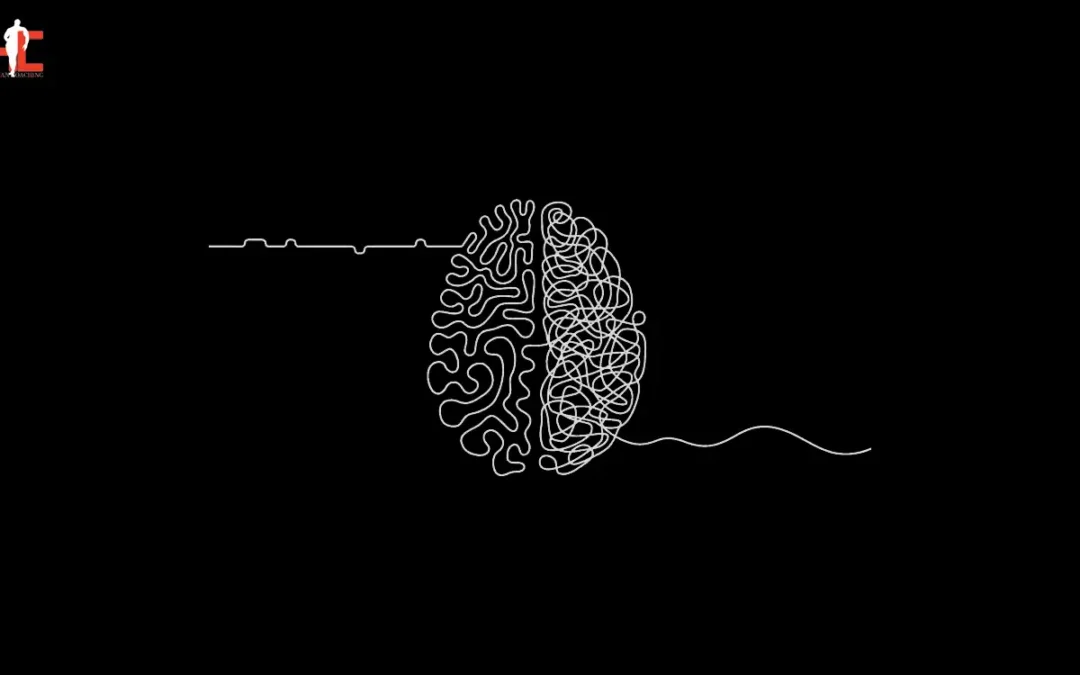
These feelings and reactions are the brain’s survival pathways becoming the default setting. The good news is that the same neuroplasticity that once wired these reactions can be used to rewire them. This is why more and more people are choosing mental coaching; because it does makes a difference, helping you move from automatic fear to deliberate choice.

Everyday Examples You’ll Recognize
The survival brain is not only active in emergencies. It shows up in daily situations where growth and expression matter most. You may recognize yourself in some of these examples:
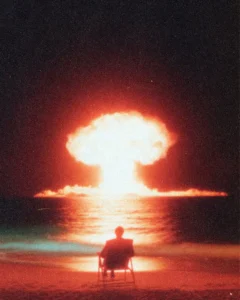
- Public speaking — your heart races, voice trembles, thoughts scatter. The amygdala reacts as if an audience were a predator.
- Conflict at work or at home — instead of clear dialogue, you snap back (fight) or shut down (freeze), regretting it later.
- Big opportunities — a job interview, starting a project, or asking for what you deserve. The urge to postpone or avoid feels safer than stepping forward.
- Self-image in the mirror — the brain highlights flaws, triggering negative loops that distort reality, much like an optical illusion.
These are not flaws of personality, and this is not a motivational speech I’m giving you; they are expressions of your natural survival wiring. Understanding this helps you stop blaming yourself and start working with the real mechanism behind your reactions, rather then being stuck in a circle where there’s no change, and you feel more and more frustrated.
The Science of Rewiring Stress Response
The same brain that wires automatic fear and avoidance can also be retrained to your own liking. This is possible thanks to neuroplasticity: the ability of neurons to reorganize and form new connections through repeated practice. “What fires together wires together”, but it can also be rewired.
Aside from the cognitive training that you’d do together with a Coach, or a psychotherapist, practical tools that shift the survival brain include:
- Breathing and body regulation — slow, diaphragmatic breathing activates the vagus nerve and calms the stress response within minutes.
- Mindfulness and MBSR — proven to reduce anxiety and improve emotional regulation by reshaping attention circuits.
- Reframing and coaching dialogue — challenging automatic negative interpretations and building new mental associations.
- Gradual exposure with support — practicing small steps outside the comfort zone until they become the new normal.
Mental Coaching combines these tools into a structured process. The goal is not to “switch off” fear but to teach the brain a wider range of responses. Over time, the circuits of calm, clarity, and confidence grow stronger than those of panic and avoidance.
Glossary
- Survival brain
- The network of brain regions (including amygdala and stress circuits) that detects threat and triggers rapid Fight, Flight, Freeze or Fawn responses.
- Amygdala
- An almond-shaped structure in the limbic system acting as an alarm system, rapidly evaluating potential danger and activating stress responses in the body.
- Fight–Flight–Freeze–Fawn
- Four instinctive survival reactions: fighting back, running away, shutting down, or people-pleasing to stay safe.
- Neuroplasticity
- The brain’s ability to reorganize and form new connections through repeated experience and training, making both fear and resilience trainable.
- Mental Coaching
- A science-based coaching approach that uses tools from behavioral neuroscience to calm survival circuits and build new patterns of clarity, confidence and growth.
From being led by your Survival Brain to leading your Growth Mindset
Your survival brain is not your enemy. It is ancient, powerful, and designed to protect you. But if left in charge, it can limit your choices and keeps you repeating old loops. The turning point comes when you learn to notice these automatic reactions, regulate them, and build new a new mindset and patterns that support growth instead of avoidance.
This is where Mental Coaching, especially when science-based, makes the difference. By combining science-based tools with guided practice, coaching helps you calm the circuits of fear and strengthen those of clarity, resilience, and confidence. In other words, it transforms survival wiring into growth wiring.
Your brain is not fixed. The instinct that feels inevitable today can become tomorrow’s strength, if you choose to train it.
FAQs
Is fear always negative, or can it improve performance?
Fear can sharpen focus in small doses, a phenomenon known as “optimal arousal.” But when survival circuits are overactive, they block performance and creativity.
Can I really train my amygdala to react differently?
Yes. Research shows that practices like mindfulness, breathwork, and reframing can reduce amygdala hyperactivity and strengthen the prefrontal cortex, which regulates fear responses.
Why do I freeze even when I know there’s no danger?
The freeze response is an ancient survival reflex. It activates before conscious thought, which is why it feels automatic. With training, you can teach your nervous system alternative responses.
Is stress always bad for health?
Not necessarily. Short-term stress can boost energy and alertness. The problem comes from chronic, uncontrolled stress, which damages health and keeps the survival brain on overdrive.
How does coaching differ from therapy in dealing with fear?
Therapy often addresses past trauma and clinical conditions. Coaching focuses on the present and future, helping you build practical strategies to regulate fear and act with confidence.
Comments and Questions
0 Comments